
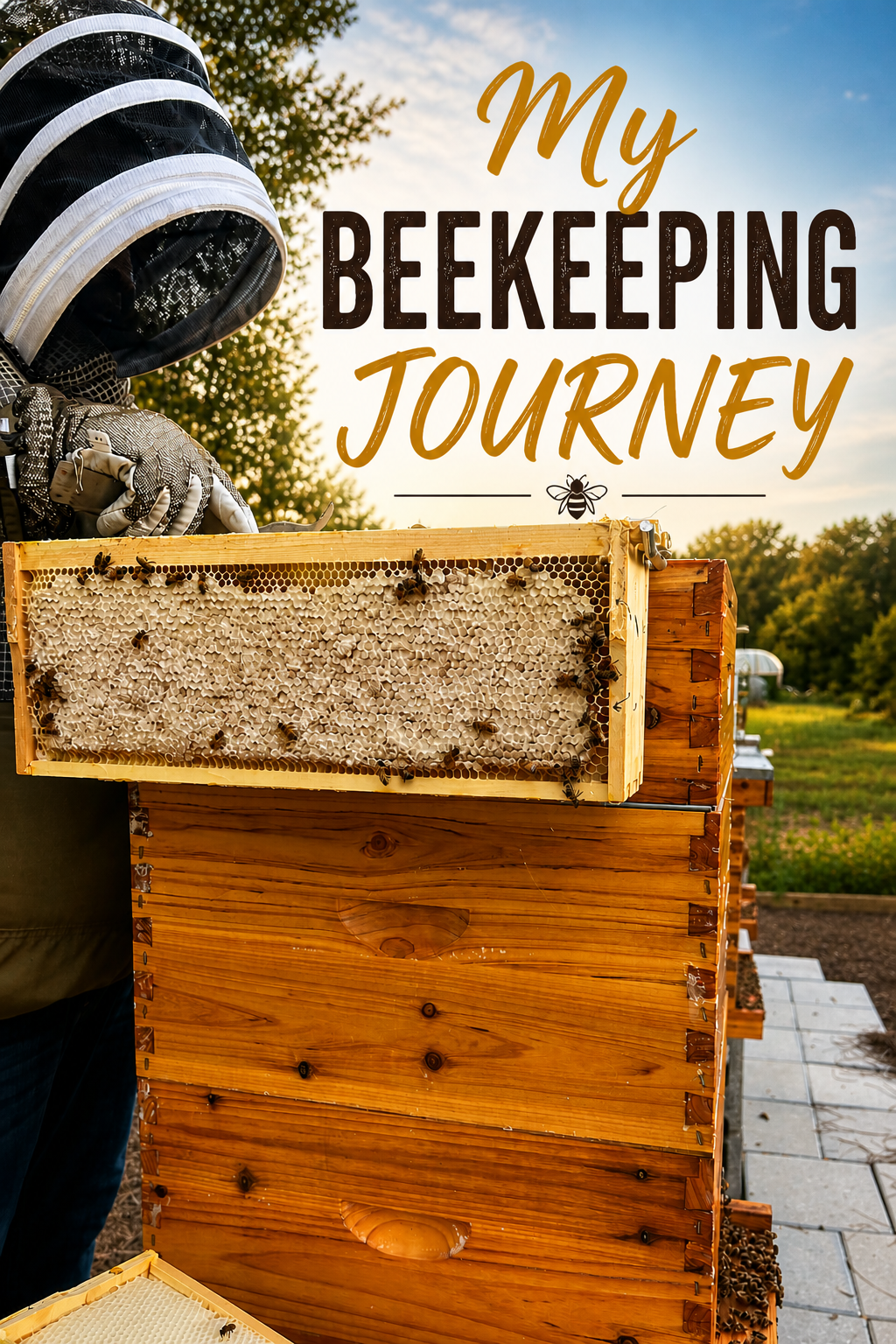
My Beekeeping Journey: From Curiosity to 23 Hives
In 2022, my journey into beekeeping started with simple curiosity. I found myself watching videos and reading articles about the biology of honey bees—what they do and why they do it. The more I learned, the more fascinated I became. Before long, I had gone down the rabbit hole and realized I didn’t just want to learn about bees—I wanted to experience them firsthand.
Building a Foundation
I knew that if I was going to do this right, I needed to invest in learning. I took a beginner beekeeping class with the Alabama Beekeepers Association at their fall conference. I also trained with Kathy Coleman at Eclectic Bee Farm and completed a course through Hives for Heroes.
As my experience has grown, I’ve continued building my knowledge through the Alabama Master Beekeeping Program. I am currently preparing to test for the second of the program’s three certification levels—the Journeyman level—in July 2026.
Each class and experience gave me a deeper understanding of bee behavior and hive management, but more importantly, it gave me the confidence to take the next step.
Finding a Place for Bees
There was one problem—my HOA wouldn’t allow hives. So instead of giving up, I got creative.
I began reaching out to local organic farmers, and that led to my first partnership with Sheila Dicks at Joy Haven Farms. That relationship gave me a place to start.
I began with just two hives from nucs—and by the end of that first year, I had grown to four hives after catching two swarms.
Growing the Apiary
In my second year, I expanded from 4 hives to 8. Around that time, I built another strong partnership with Josie Gbadamosi at Shady Grove Road Blueberry Patch.
Then came a major milestone.
In my third year, I was awarded the Alabama Ag Credit Jumpstart Grant, which allowed me to expand rapidly from 8 hives to 22.
Now, in my fourth year of beekeeping, I’m managing 23 hives—and still learning every day.
Why Beekeeping Is So Rewarding
Beekeeping is rewarding because bees are truly fascinating. A hive operates as a superorganism, where every bee plays a role for the good of the colony.
One of the most incredible things to witness is how bees make decisions—especially during swarming. When a colony is searching for a new home, scout bees evaluate locations and return to communicate their findings.
They “debate” through movement and energy, sharing their opinions through dance. Then something remarkable happens—they pause and listen.
This process continues until the colony reaches a consensus.
Humans could learn something from that.
If you’re interested in this concept, I highly recommend the book Honeybee Democracy. It explains this decision-making process in a way that will completely change how you view bees.
The Many Roles of a Bee
Another fascinating aspect of bees is how many jobs they perform throughout their lives:
- Nurse bees caring for brood
- Cleaners maintaining the hive
- Organizers receiving resources from foragers and placing nectar, pollen, and honey exactly where it needs to go in the hive
- Undertakers removing dead bees
- Guard bees protecting the entrance
- Foragers collecting nectar and pollen
Bees do whatever is needed for the survival of the colony.
They also communicate an incredible amount of information in seconds through the waggle dance—sharing direction (based on the sun), distance, and even the quality of a food source.
The Challenges
While beekeeping is very rewarding, it’s not without its challenges.
For me, one of the biggest struggles has been managing and preventing swarming. I’ve gotten better at it and have fewer swarms than I did in my second year, but it’s still something I continue to work on.
Modern beekeepers also have to learn how to manage pests and hive pressures that really were not major issues a few decades ago. Things like varroa mites and small hive beetles have completely changed beekeeping.
Many longtime beekeepers talk about the “glory days” of beekeeping when you could literally put bees in a box and come back later to collect honey. Unfortunately, it’s not that simple anymore.
Varroa mites, which are parasites that attack honey bees, are considered one of the biggest threats to hive survival today. When it comes to managing varroa mites, I do treat for them, but I personally avoid synthetic man-made chemicals. Instead, I use naturally occurring organic treatments such as formic acid and oxalic acid. These compounds naturally occur in nature and are even found in honey in small amounts. One reason many beekeepers prefer these treatments is because they begin breaking down quickly after use.
Treatment methods for varroa mites can be a touchy subject in the beekeeping world. There are lots of different opinions about whether to treat, when to treat, and what type of treatment should be used.
There’s actually a saying in beekeeping:
“If you ask 10 beekeepers a question, you’ll probably get 11 or 12 different answers.”
And honestly, that saying is pretty accurate.
Beekeeping constantly pushes you to problem-solve and figure out how to work with the bees and their natural instincts instead of against them.
The Beekeeping Community
One thing that surprised me is the strength of the beekeeping community—especially in Tuskegee.
In a town this size, I didn’t expect so many beekeepers, but it’s been a great community of people who are always willing to share knowledge and experiences.
What’s interesting is that no two beekeepers do everything the same way—and yet, we often end up accomplishing the same goals in different ways.
Advice for Beginners
If you’re thinking about getting into beekeeping, take your time and start with learning.
Before purchasing bees or equipment:
- Join a local beekeeping club
- Take a beginner beekeeping course
- Find a mentor
Working in a mentor’s apiary (a location where beehives are kept) gives you hands-on experience and helps you decide if beekeeping is the right fit. Learning from experienced beekeepers will save you time, money, and frustration early on.
Final Thoughts
What started as curiosity has grown into something much bigger than I ever expected.
Beekeeping has taught me patience, observation, and respect for how nature works. Every hive is different, every season brings new lessons, and there is always something new to learn.
And honestly—that’s part of what makes it so wonderful.
If you are thinking about getting started in beekeeping, check out my blog on Getting Started in Beekeeping.